Municipality of Montcerf-Lytton
Municipality of Montcerf-Lytton
Nature a passion
Established
1920
Population
653
Area
379,8 km2
Welcome to Montcerf-Lytton!
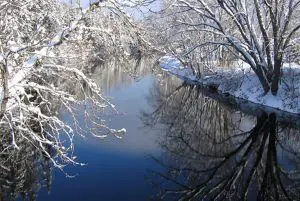
Located approximately 23 kilometres north of Maniwaki, along the banks of the Désert River, Montcerf-Lytton is a municipality where nature and history are an important part of its identity.
Opened to settlement as early as 1870, the Montcerf area was officially established as a municipality in 1920. The Sainte-Philomène-de-Montcerf mission was established in 1872, while a post office bearing the name Montcerf opened in 1886.
Originally known as Lytton, after the township located a little farther north, the area later took the name Montcerf, formerly spelled Moncerf. According to one interpretation, the name refers to the many deer and moose that once roamed the mountain near the village. Hunters are said to have suggested the name “Mont Cerf,” which eventually became Montcerf.
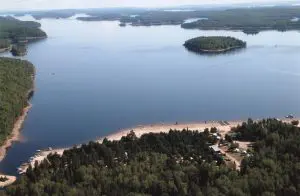
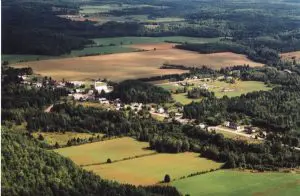
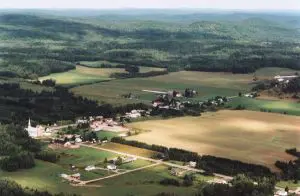
The area is known for its fertile farmland, as well as its many lakes, rivers and forests, making it an ideal destination for fishing, hunting and outdoor enthusiasts.
The Lytton area, located north of Maniwaki, is bordered by the Désert River and extends toward the Baskatong Reservoir. Its name comes from the Township of Lytton, proclaimed in 1869 and named in honour of Sir Edward George Bulwer-Lytton (1803–1873), a British politician and author best known for his novel The Last Days of Pompeii, published in 1834.
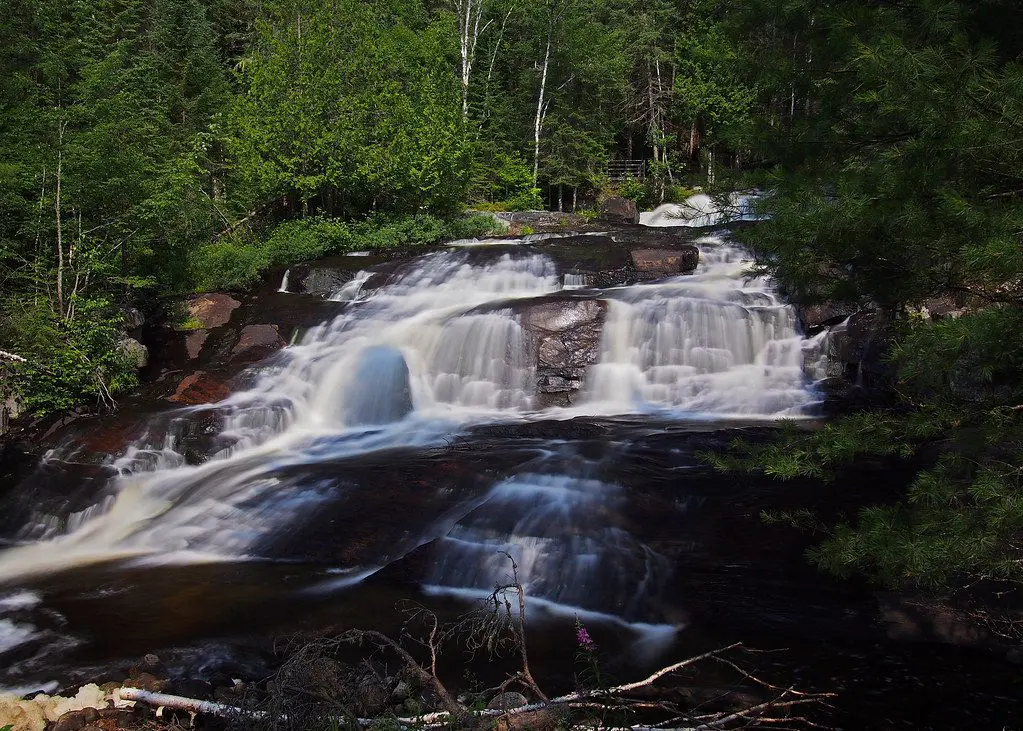
A section of the area was once known as Chute-Rouge. According to local tradition, the name is linked to two McGee families, several of whose members had red hair and who are said to have settled near a waterfall on the Désert River. The construction of a sawmill, followed by a flour mill, later contributed to the development of the area. Today, the hamlet of Chute-Rouge continues to preserve this historic name.
With its beautiful landscapes, waterways and rich heritage, Montcerf-Lytton invites visitors to discover a region where nature truly is a passion!
Attractions:
- Fromagerie La cabriole (cheese factory)
- Pont Couvert (covered bridge) de l’Aigle
- Église Sainte-Philomène

Phone
819 449-4578